
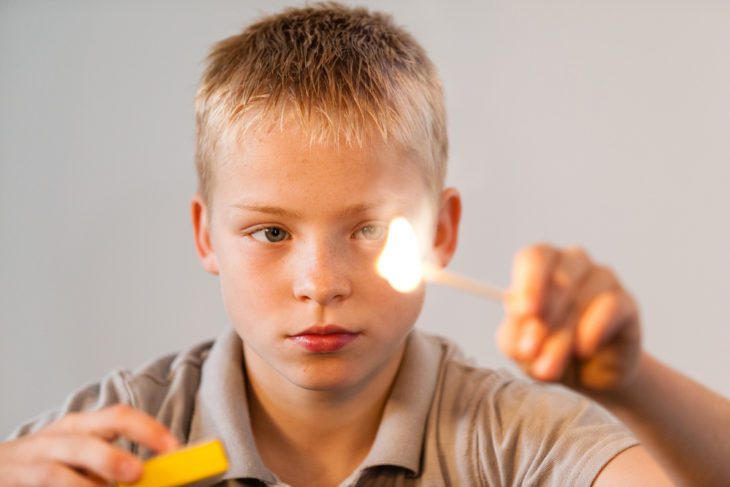
House fires mostly cause property loss and deaths across the United States. What causes a fire?
Accidental fires do not have a single cause. Generally, irresponsibility, technology or product defects, or unintentional negligence result in the creation of accidental fires. However, there are also times when they are caused by fortuitous natural events such as the strike of lightning, which we cannot avoid.
The top leading causes of house fires were identified by the National Fire Protection Association (NFPA).
Here are some of the causes included:
1. Equipment and Appliances
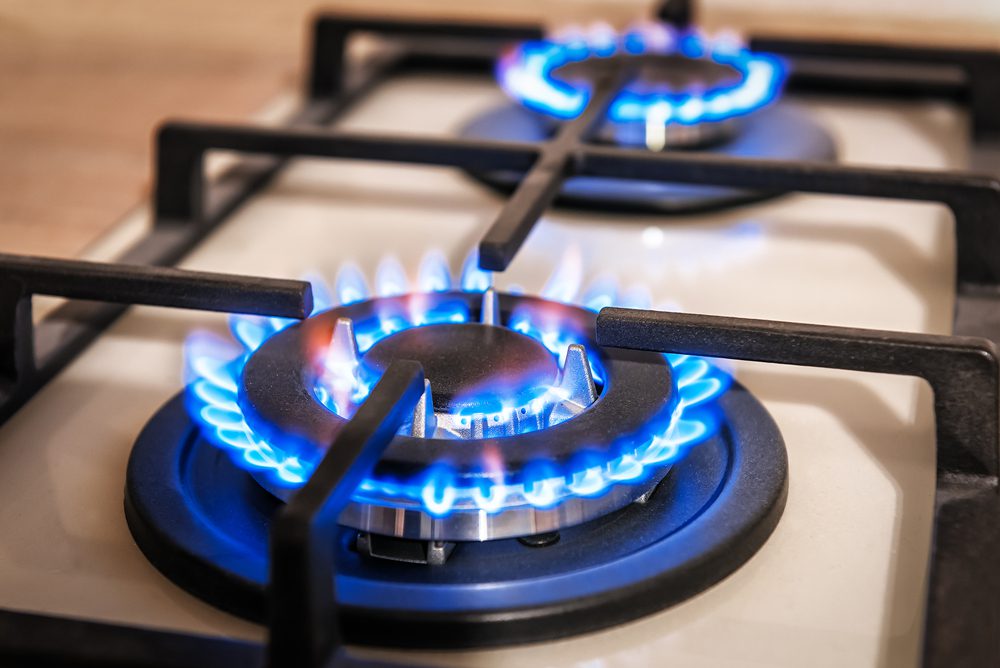
Any heat-generating device such as heaters, clothes dryer, and stoves can cause a fire. Appliances or equipment that warm up when used for extended periods, such as fans and computers, also pose a potential danger to house fires. Oftentimes, bakeware and cookware, which are left unwatched, cause avoidable fires.
2. Electrical Devices and Systems
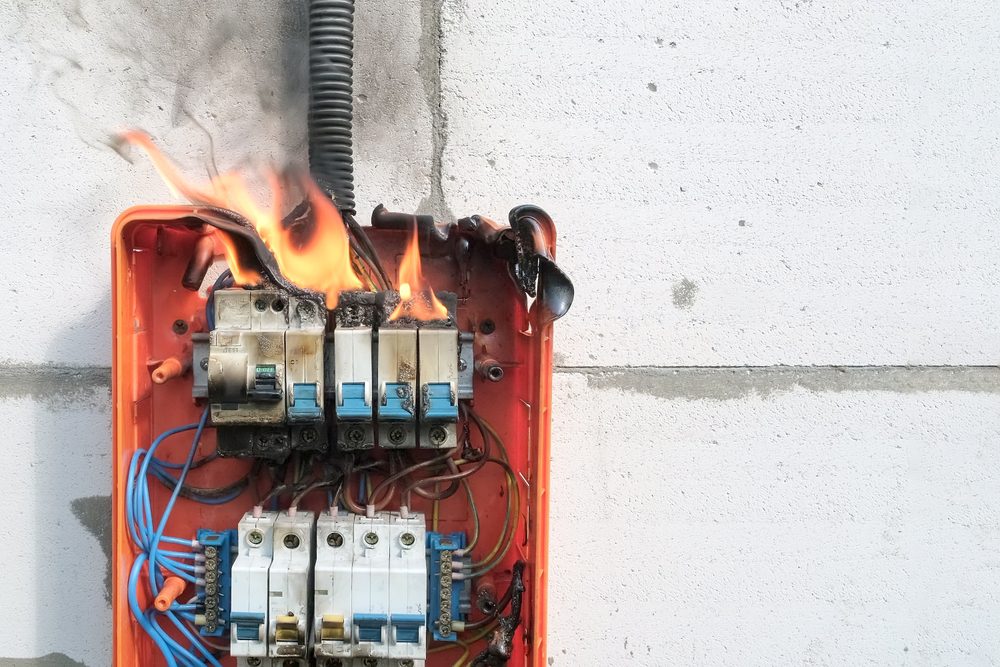
Any device that utilizes electrical power can start a fire; the most popular culprit is overheated light equipment. Cheap electrical work at home – improper grounding, loose wires, and circuits that are poorly connected – is a danger that homeowners aren’t aware of most of the time.
3. Candles
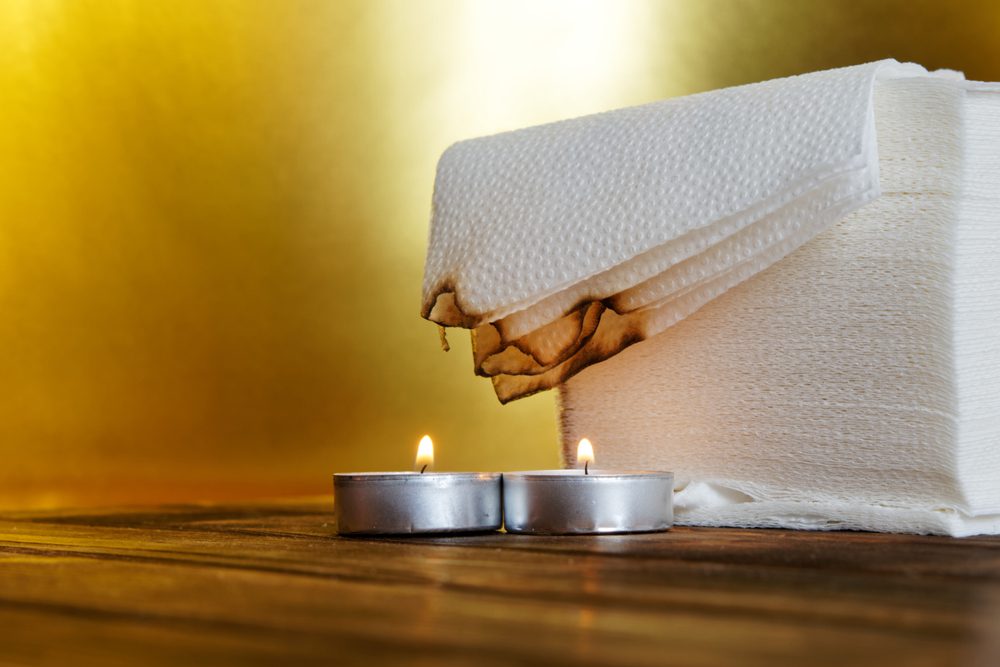
We have always been warned not to leave any burning candles unattended. Unfortunately, numerous candles are left forgotten and burn uncontrollably. Fires caused by candles usually happen on occasions like Christmas Eve and New Year’s Day.
4. Smoking
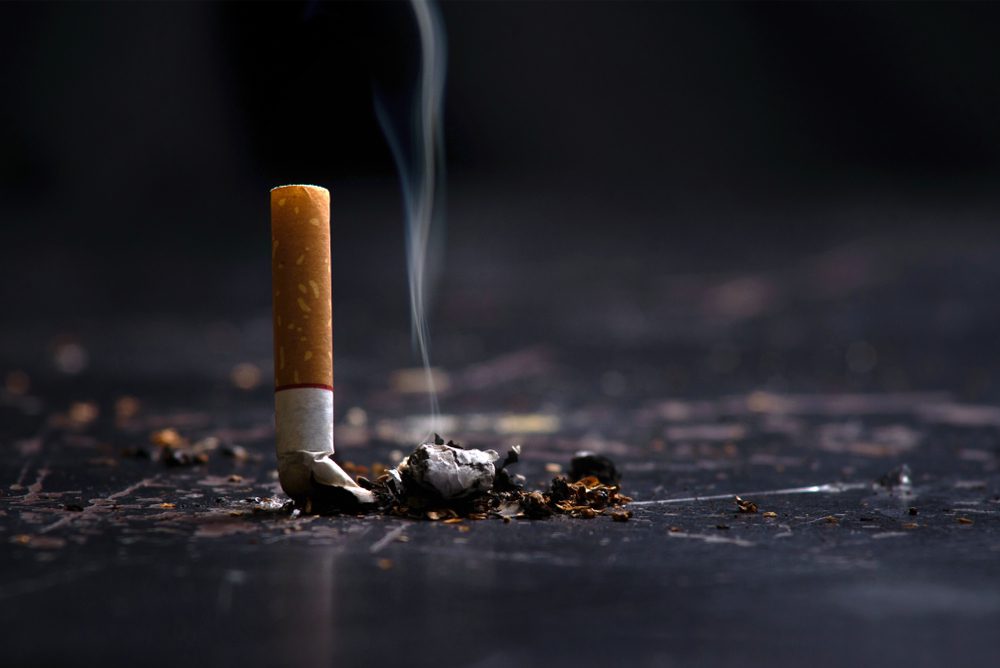
Irresponsible smoking habits are one of the top causes of house fires. Sometimes, people can fall asleep while smoking, which can result in setting the bed, couch, or chair to fire. Throwing away the hot ashes into trash cans where they can inflame is also an example of an avoidable fire hazard.
5. Chemicals and Gas
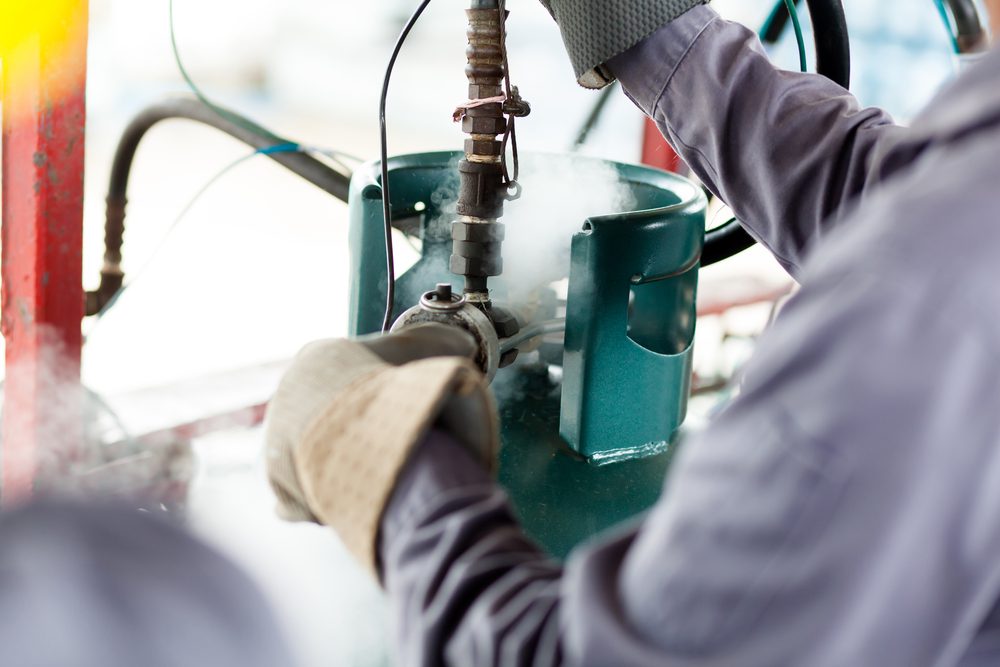
Sources of propane gas or natural gas can easily create house fires. An explosive situation can be created when a roaming spark is mixed with even a little leak. Household chemicals that aren’t appropriately mixed can also trigger ignition, so conducting such activity must be done outside your home.
6. Holiday Decorations
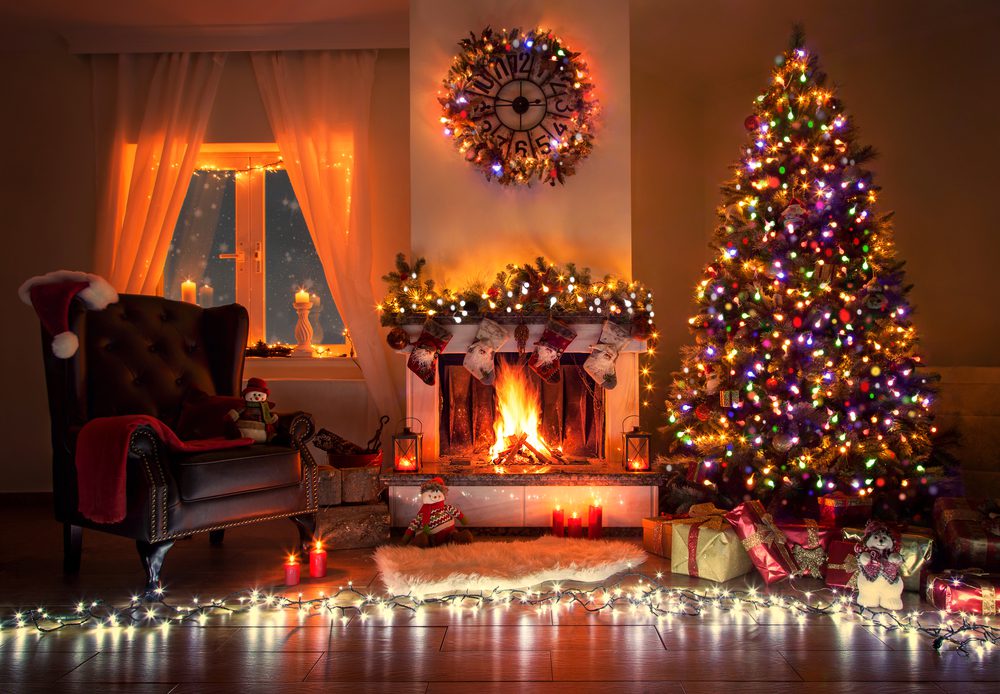
Candles aren’t the only culprit of devastating fires every winter holiday season. Various lit decorations such as lights on Christmas trees are also origins of tragic fires. Natural trees are also the origins of tragic fires. Natural trees, which aren’t properly watered and left dry, can be easily targeted by warm lights for incineration.
7. Lightning
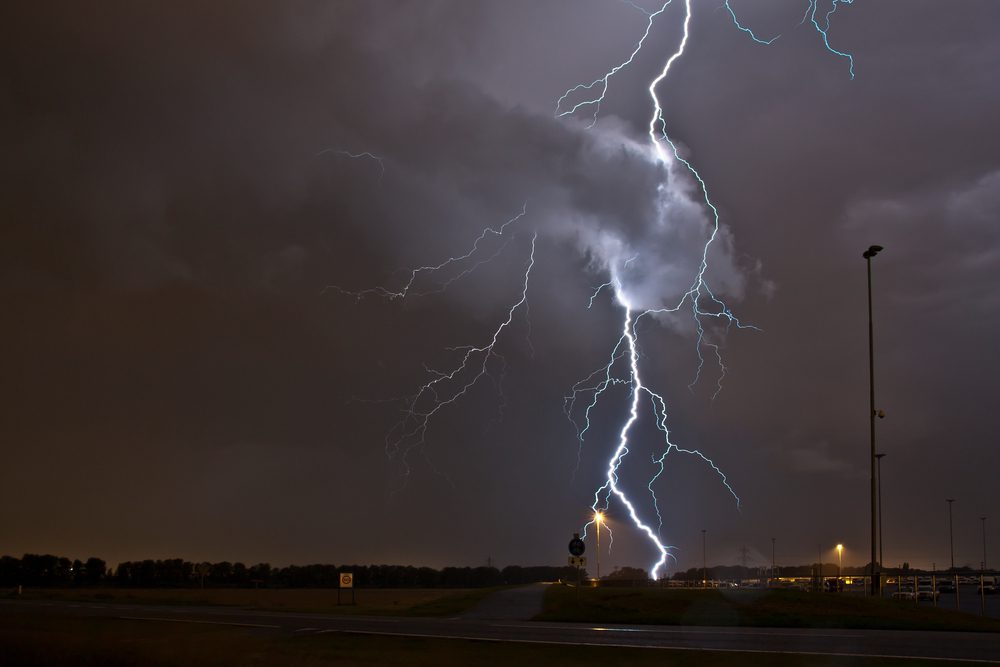
Lightning fires are most common at the peak of early evening and afternoon storms during the summer season. Homes which are situated in an enormously wooded environment are more vulnerable to getting struck by lightning which can put the surrounding terrain on fire.
8. BBQ Grill
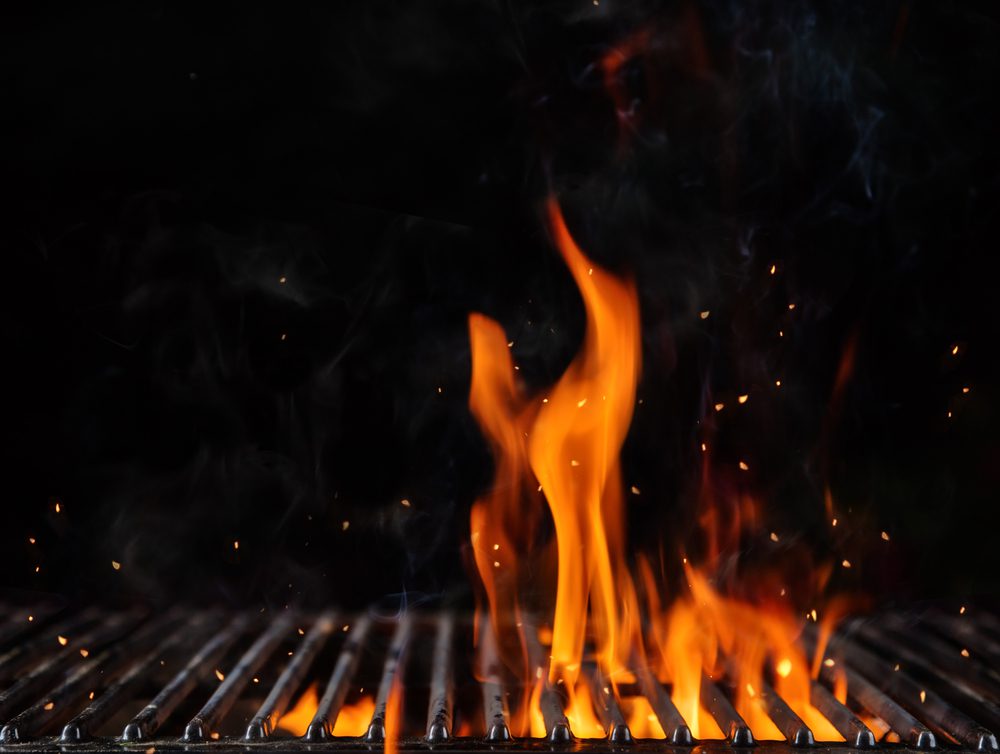
Barbecue grills can result in uncontrolled fire in various ways, like propinquity to flammable things such as a gas leak or dry grass. This is a greater problem during summer than in other seasons or times. The possibility of accidents like this can be lessened by cooking on the top of the stone or other noncombustible material, or by examining the grills to look for gas leaks before firing them up, and last but not least, by keeping an eye on the grill being operated.
9. Children
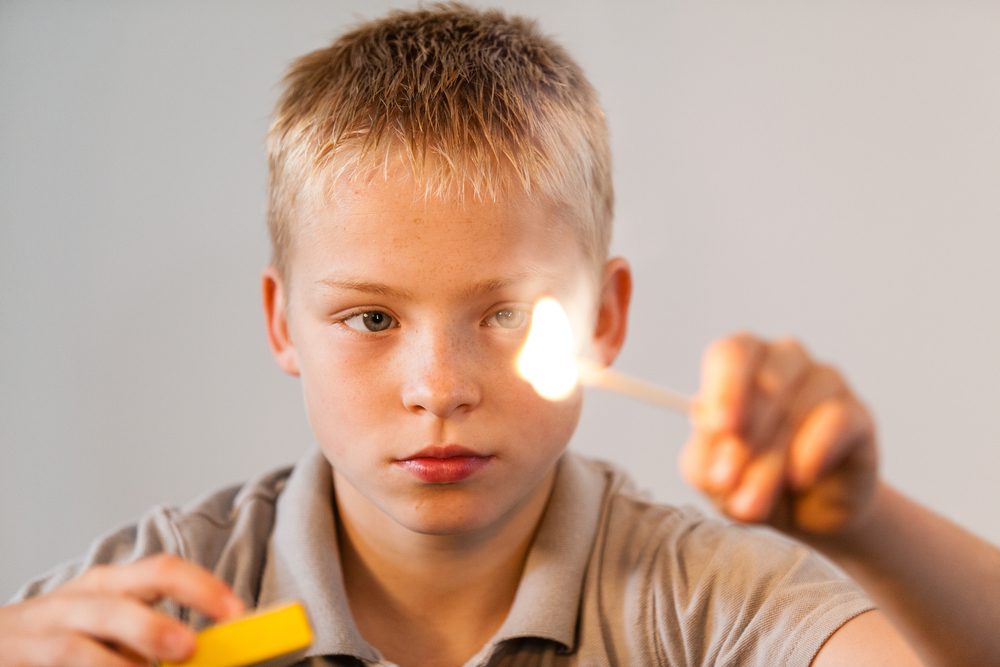
One of the main sources of house fires is children who unintentionally play with matches of fire inside the house. Although older children are more aware of the impacts of life – and are just curious about what might happen – they are both dangerous equally. It might be difficult to control their curiosity completely, but possible disasters can be alleviated by letting them understand how dangerous it is to behave carelessly around the fire.
10. Ordinary Fires which go wrong
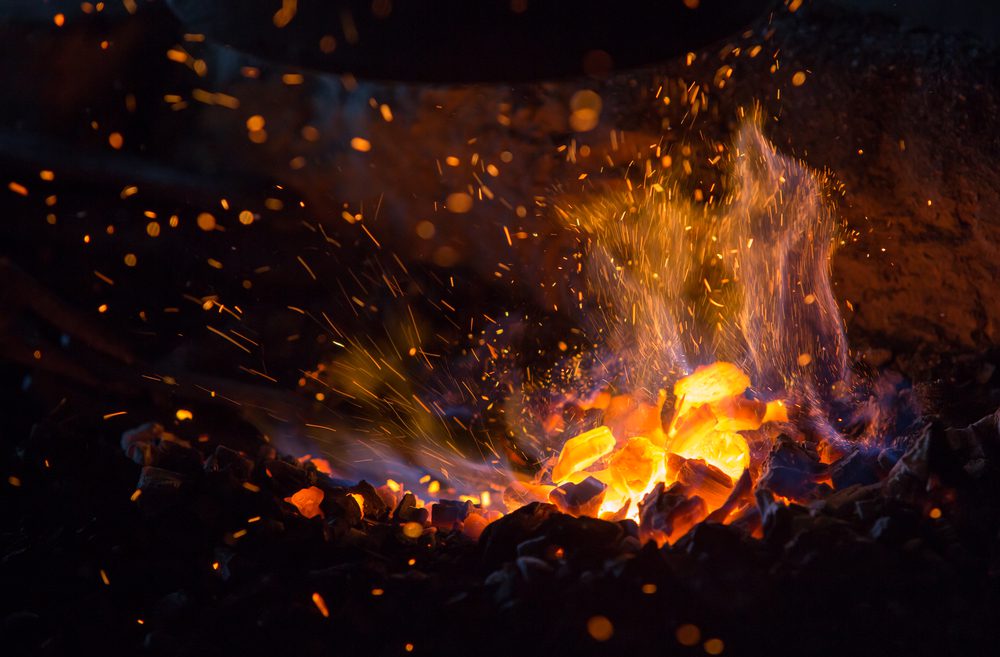
We cannot control things even when we follow all the rules and precautions. Despite doing all these things, there are times when house fires still happen. Allowing fire in our house is one of the main causes of house fires. This is not a problem if it’s managed responsibly. However, a single random ember from the active fire can burn a carpet which can result to house fires. Being more careful and conscious around the fireplace indoors and not leaving it unattended will help you prevent house fires which are usual when log breaks and cause embers to fly.






Every one is sharing information, that’s truly good, keep u? writing.